
The lost art of digesting.
9 simple ways to enhance digestion
Gut health is the key to unlocking optimal health. As Hippocrates said verbatim “all disease begins in the gut” and that is being proven more and more every day. A while ago there was a viral joke saying “all hot girls have tummy issues” and it went viral because so many related to it. That joke normalised, and perhaps even glorified tummy issues, though let me just clear the mud, tummy issues are common and not normal.
We are living so far away from our natural states and it is catching up with us. My goal is to get my clients and anyone who will listen to slow down and connect to the innate wisdom and rhythms of the Earthly body. So with that being said here are 9 simple, affordable ways to enhance your digestion.
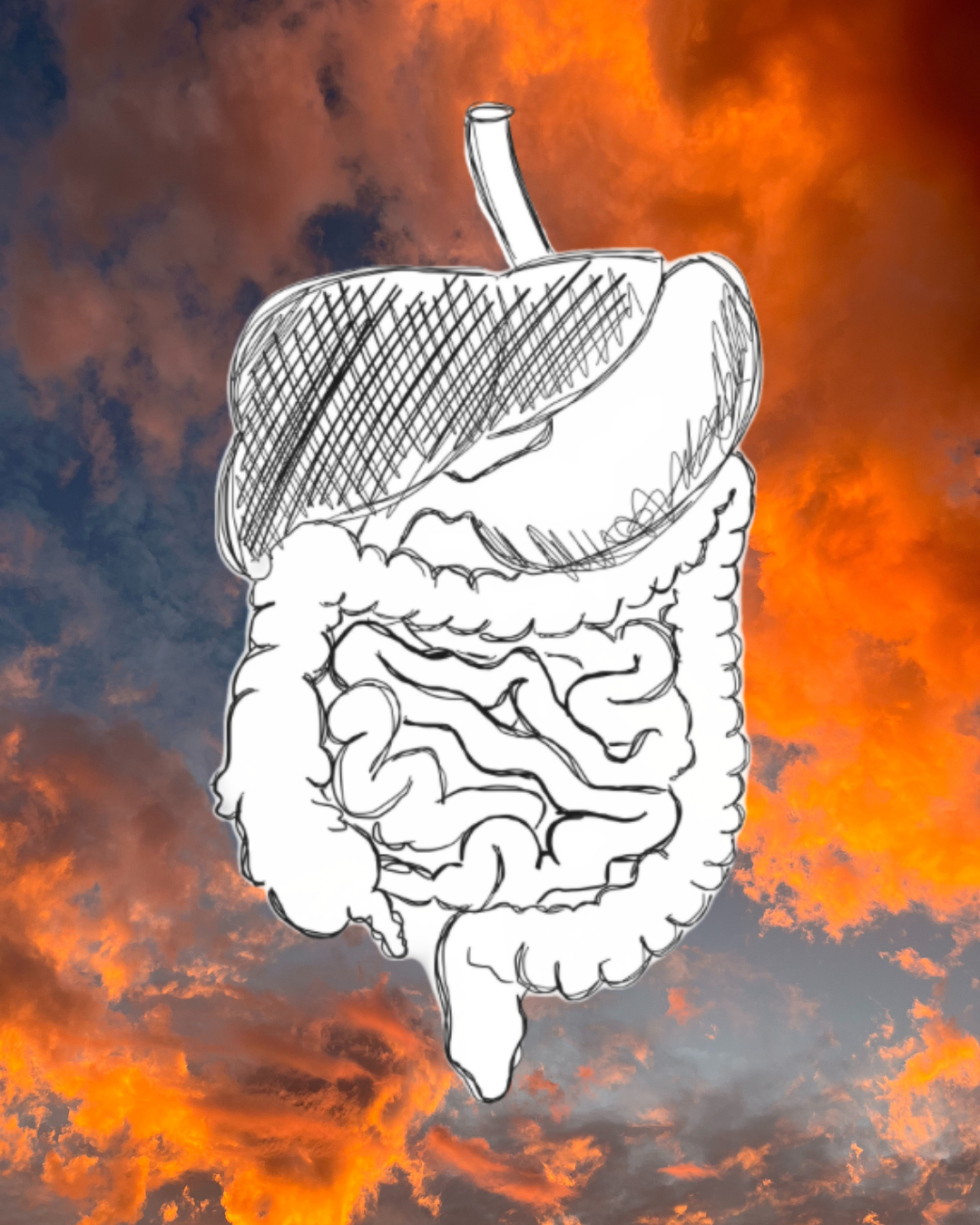
1. Chew your food – The first mechanical step in the digestive system and the only mechanical step that we have direct control over. Physically breaking the food down prior to sending it down to the stomach is one way to take some pressure off of the gut, while ensuring that the food is adequately broken down so you can absorb the nutrients. A hard habit to break and I am not going to give you a number because every bite is different but become aware of your chews and make sure every bite is all chewed up.
2. Be present – this one comes before eating. When preparing your food, let your other senses indulge before your taste buds get the chance. It lets the gut know to prepare for some food and it does so by secreting digestive juices. Ever smell some scrumptious food and your mouth starts to water? This is one of the many digestive juices that I am talking about and they play a key role in breaking down the food.
3. Time your water – The goal is to be hydrated so the gut can function properly but stop drinking around 30 minutes before your meal and resume about 30 minutes after your meal. The digestive juices from tip 2? Well now that we have got them flowing we don’t want to dilute them and drinking would do exactly that.
4. Rest your gut – Eat your dinner early. Why? Sleep is so much more complex than this but it is given to us as a tool to clear metabolic wastes, restore damaged tissues and put simply, heal. Digestive capacity slows significantly at night so it is clear that digestion is not the goal of sleep. While digesting won’t take full priority while you sleep, it will split the energy which can disrupt your sleep. On top of this, there is a process called the ‘migrating motor complex’. It is the cleaning process of the gut using electrical pulses and mechanical waves. Food and debris is ‘swept’ through the gut to inevitably come out the other end. This process is immediately halted when you ingest food and will only start again when you are in a ‘fasted’ state (Deloose, et al. 2012). If you are going to bed with a full tummy, and digestion is slowed at night, then you are taking longer to get into the fasted state and therefore the migrating motor complex may not be able to complete its cycle.
5. Don’t be a cow – By this I mean don’t graze. We are not designed to continually be ingesting something. Let the gut focus on one meal, let the food leave the stomach, let yourself feel hungry before you ‘moove’ onto the next meal or snack.
6. Love the bugs – The bacteria in the intestines play a massive role in the breakdown and absorption of nutrients and just the overall quality of digestion. As I am sure we all know, antibiotics are not selective – they will kill problematic bacteria and good bacteria along with it. It can takes ages to repopulate the good bacteria. So one way to ensure we are constantly exposing our gut to the ‘good’ bugs is through eating fermented foods, Sauerkraut, yoghurt, kimchi, etc. The main bacteria present in these foods are Lactobacillus – these little critters help to breakdown foods, strengthen the lining of the gut, and stop problematic bacteria from becoming a problem. When buying fermented products, do not get products with vinegar in the label – this is a fake fermentation, they use vinegar to preserve and to have the same ish flavour but it does not have the bugs.
7. Biggest to smallest – Start your day with the biggest meal and have the last meal be the lightest meal. This is to fuel your body for day time burning, help you sync up with the circadian rhythm and linking back to point 4, having the lightest meal at night gives you the best opportunity to be done with digesting and be granted a restful and restorative sleep.
8. Utilise herbs – culinary herbs of course but I am talking about herbs to calm the gut, or to tonify the gut lining or to encourage the secretion of the digestive juices. My favourite herbs to use for the gut that are easy to find are:
- Peppermint – calming to the gut, eases cramping
- Chamomile – anti-inflammatory, relaxes the nervous system and that connection to the gut. Calms an unsettled tummy
- Dandelion root – bitter herb used to stimulate appetite and the excretion of digestive juices to aid in the breakdown of foods.
- Marshmallow root – protective to the gut lining. Creates a viscose like consistency to coat the lining and protect it from stomach irritation.
9. Rest & Digest – The mind-gut connection, a massive component to digestion. The average human body is living in such a confusing time. Stress from deadlines, traffic, relationships etc are all causing stress hormones to spike. If we were to stay and fight, we would be burning through those stress hormones, if we were to run away the stress hormones would still be burnt up. Instead, we fester in this stress and worse off, eat through the stress. Stress will reduce the blood flow to the gut, directly impacting the gut function and also inhibit the hydrochloric acid production directly impacting the breakdown of the food, among so much more (Konturek, et al. 2011). There are a few things we can do here
- Take your lunch away from your work environment – do not eat your meals at your desk if that is the cause of your stress, or if you will be tempted to work while you eat.
- Take 3 deep nose breaths before eating your meal.
- Keep the phone away and keep distractions minimal.
- Pray gratitude over your meals. Stress cannot exist where gratitude lives.
BONUS:
Pay attention to your poop – On the back end of digestion (pun intended) is poop. A Naturopaths favourite topic of conversation. We spend a lot of time talking about it, thinking about it, dreaming about it – just kidding, but we do spend a lot of time on poo. A poo is one way where we can determine what is happening in your gut; the colour, consistency, frequency and all the details in between give us insight into what is digesting and what is struggling to be digested. Poo is a massive topic so allow me to tell you the characteristics of an ideal poo.
Brown in colour
Soft yet firm sausage shape
1-2 wipes
No skid marks
No undigested foods (unless eating corn or seeds)
No mucous
No blood
Sinks
No offensive odour
Over in less than 2 minutes
If you don’t fit that category or you have any signs of a sad digestive system I would be making an appointment with your Naturopath to get on top of that.
This blog is for educational purposes only and is not designed to be advice. Always consult your Naturopath or health care provider before trying anything.
References:
Deloose, E., Janssen, P., Depoortere, I., & Tack, J. (2012). The migrating motor complex: control mechanisms and its role in health and disease. Nature reviews. Gastroenterology & hepatology, 9(5), 271–285. https://doi.org/10.1038/nrgastro.2012.57
Konturek, P. C., Brzozowski, T., & Konturek, S. J. (2011). Stress and the gut: pathophysiology, clinical consequences, diagnostic approach and treatment options. Journal of physiology and pharmacology : an official journal of the Polish Physiological Society, 62(6), 591–599.