
Iridology: it’s in the eyes
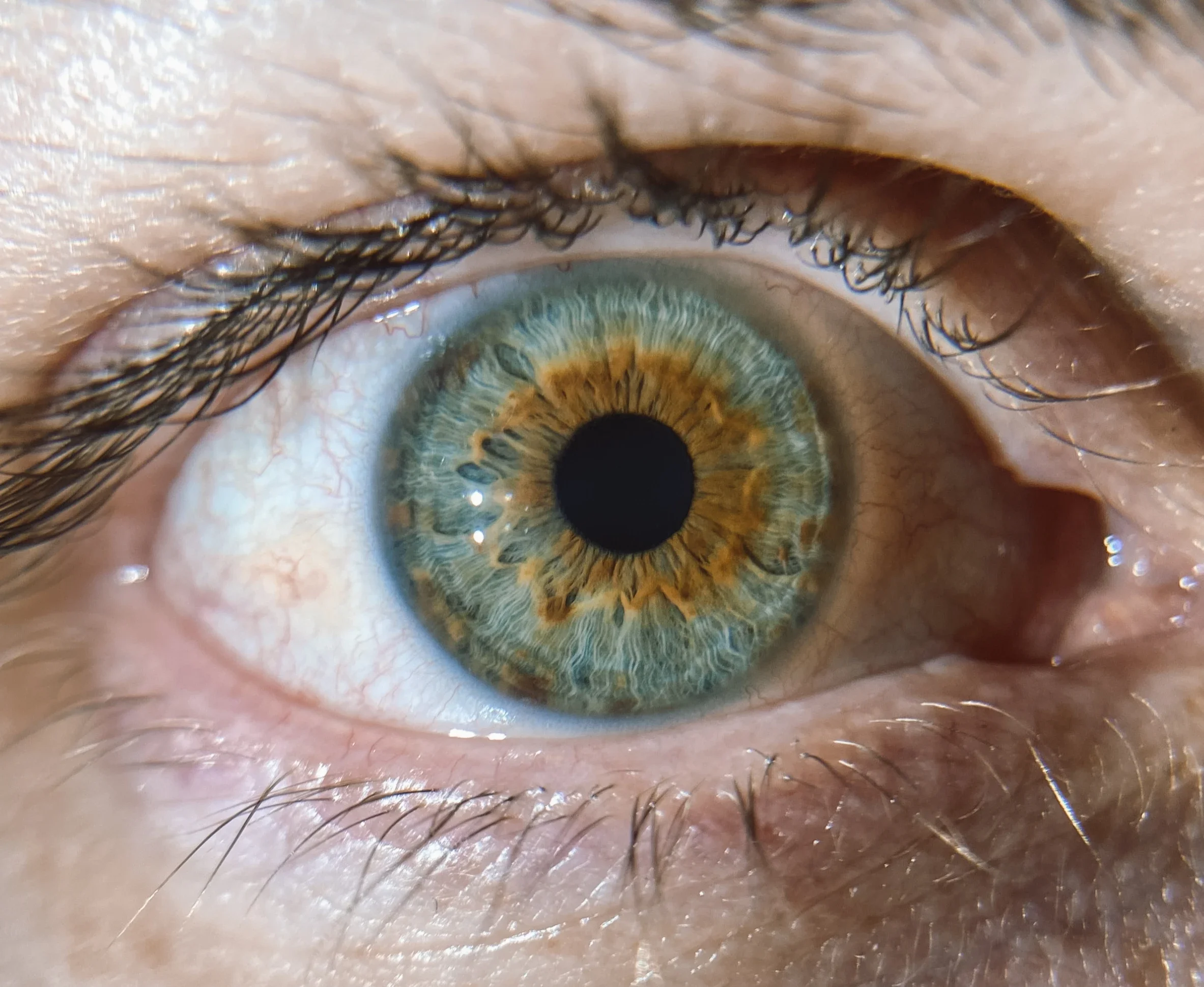
The history of iridology has ancient roots, however, it started development in the 1880s after Ignatz Von Peczely, a Hungarian Physician observed a dark stripe in the eye of an owl after the owl broke his legs. Iridology is a work in progress, and many have contributed to where it is today. The following is a collection of my understandings and my practices when completing an iris analysis.
Every iris is unique, as you will be able to note by looking at your friends and families' eyes, no two are the same and this is because nobody is the same - we are unique, and should be treated as such. The main goal of iridology is preventative health. Identifying your hereditary or accumulative signs in the iris that can suggest which bodily system or organ is requiring some more nurture or what systems are impacting other systems.
When I first decided to study Naturopathy, I went to the university open day and a student was there giving a demonstration of iridology. I had a few digestive concerns, indigestion, bloating, cramping, loose bowel motions; and she mentioned that she could see that my stress and anxiety was having a direct and profound impact on my gut to which I thought “bullsh*t, I am not stressed out at all, and I am certainly not anxious” until I went to go to sleep that night, I was stretching before bed, layed down and took 3 deep breaths and I suddenly felt every single muscle relax. It felt so good, I thought “gosh, had I been that tense all day” and realised that my stress manifested into physical tension rather than mental tension and this tension was impacting my digestion.
The above example shows how iridology is one of the Naturopathic philosophies in practice. ‘Tolle Totum’ or; Treat the whole person - If I had just kept focusing on my gut health instead of how other systems were interacting and impacting me, then I would have never got to the root problem and healed.
How I approach everything with my clients is to put them back in charge of their health and the same goes for an iris analysis. If you were to book an iris analysis with me, I will read your irides, tell you what I see and map out for you the individualised dietary and lifestyle changes that can support you, for example; if I spot white clouding in the lymphatic zone, I would be encouraging you to take part in dry skin brushing, daily movement and lymphatic herbal infusions to help to clear the lymph as this is a sign that the lymphatic system is congested.
What am I looking for:
Your constitution:
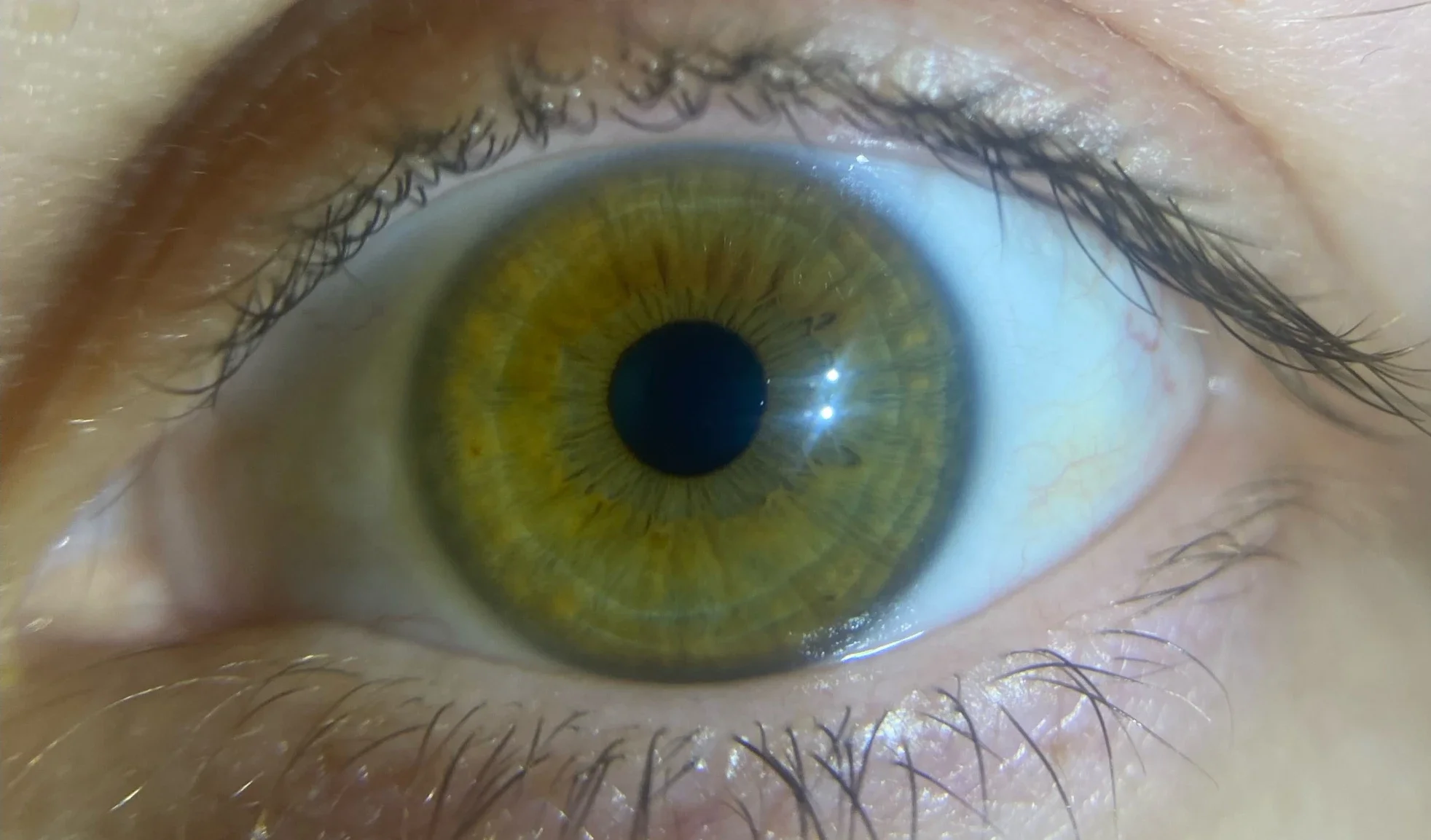
The first thing that I note is the overall colour of the iris, that coupled with the fibre density, shading and clarity, I am getting a picture of your constitution and your vitality. This refers to your ability to recover from or resist illness. It is important to note that while yes, some are more resilient than others, it is more about what you do with what you have been given. As Bernard Jensen puts it: “Someone with lower resilience can live and eat well and have a long and healthy life whereas a fool can take a strong, resilient constitution and put it to the ground quickly”. This again is putting the power back in your hands - figure out the hand you have been dealt and adjust accordingly.
Autonomic Nerve Wreath (ANW):
Also known as the collerette, it is the flower-like pattern inside the iris; some can be tight or blown out, darker or lighter in colour, a circle or a square or any variety under the sun. This is a representation of your intestinal lining; the barrier from the outside world to your internal world. Through assessing the structure, size, colour and shape; I can get a view into the intestines and assess the overall function or what you may be prone to for example: sluggish or overactive intestinal movement.
Signs:
Hot spots, Latent shading, Languid shading, Cold spot
These are referring to the iris fibre colours and how they compare to the main colour of the iris.
Hot spots are seen as lighter in comparison and suggest increased potential for reactivity in the corresponding reflex zone.
Latent shading, Languid shading or Cold spot refer to the differing darker shades and can indicate different levels of lower nutrients, blood flow, and general potential weakness in the corresponding reflex zone.
(Miller, 2016)
The Chart:
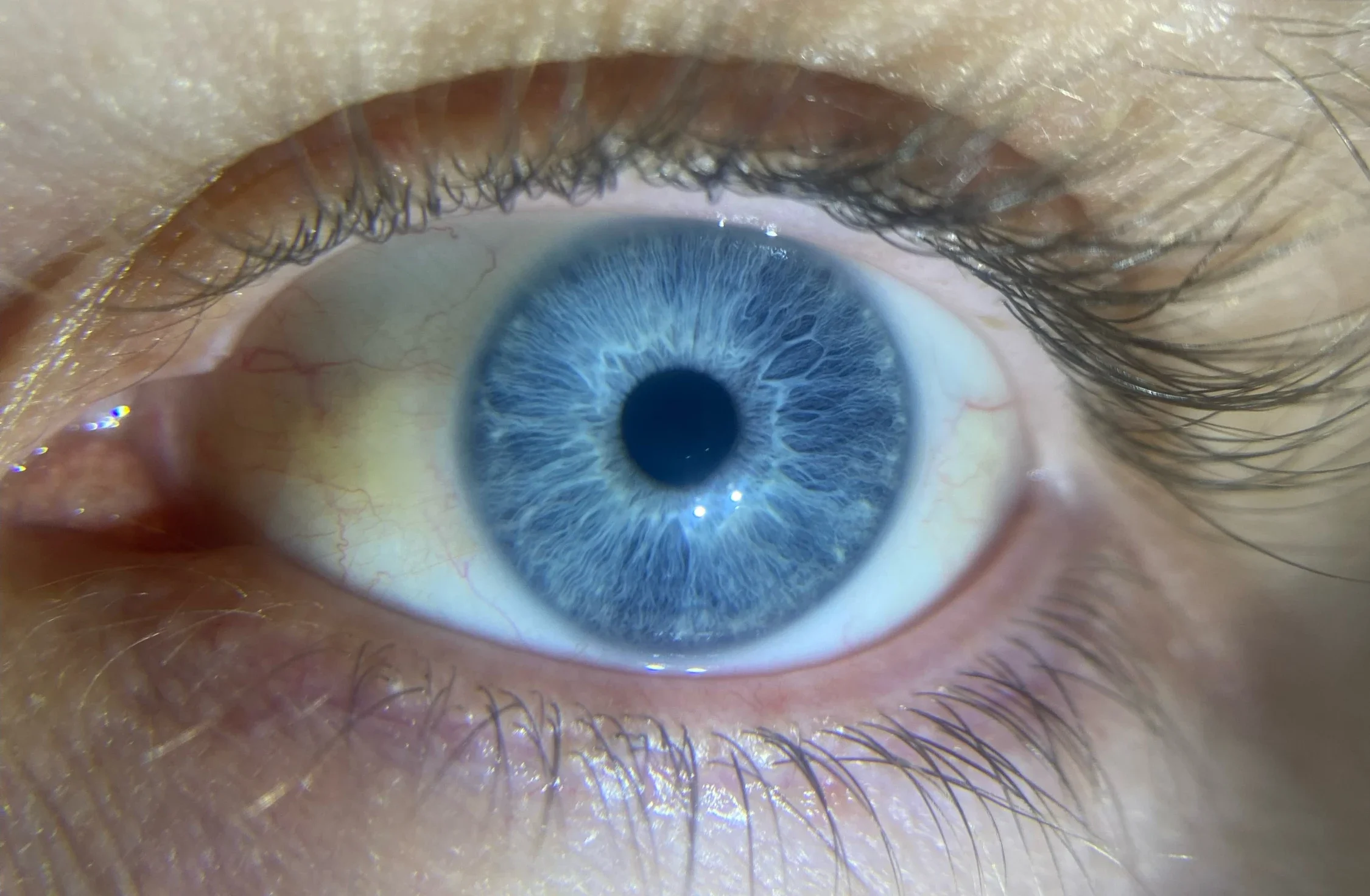
Pioneers in iridology have formulated the charts that identify a map of the whole body in the iris. Each part of the body is reflected within the iris; The different organs, tissues or bone locations are identified as ‘reflex zones’. Noting one of the signs discussed above and identifying the reflex zone according to the charts, we can identify the organ or system that requires more nurture.
The thing with iridology is I could spot a hot spot in your iris over the reflex zone of the sinus and you may not be experiencing any symptoms in regards to your sinus but your great grandfather experienced sinusitis issues and has passed on that weakness to you and therefore you are requiring some extra nurture to avoid sinus concerns. The reflex zone may not be suggesting something physical either; it can be tied back to your emotions. An example of this: a sign on the reflex zone for the liver in your iris could be suggestive of your grandmother having problems controlling her anger, if you were to go through life not questioning or addressing any tendencies towards anger then this can manifest into a physical issue with the liver.
Getting an iris analysis puts you back into the driver seat of your health, while it is not a diagnostic tool, you can identify systems or organs that may require more nurturing for you to enhance your health and quality of life.
As part of my consultations for every client that I have, I will look into their irides (with their permission) to give me an idea of what questions to ask, and again identify systems requiring nurture. However, if you are not a client and just want to begin prioritising your health or are a client but want me to pinpoint the exact signs I am looking at then book an iris analysis today!
Available only in person. Traveling around so DM me your location and I will let you know when/if I am heading to your area.
References:
Miller, T. (2016). Integrated iridology textbook (The new edition). Inter Health Aust. Pty Ltd.